The Cybersecurity Battlefield Evolution: War in the Digital Age
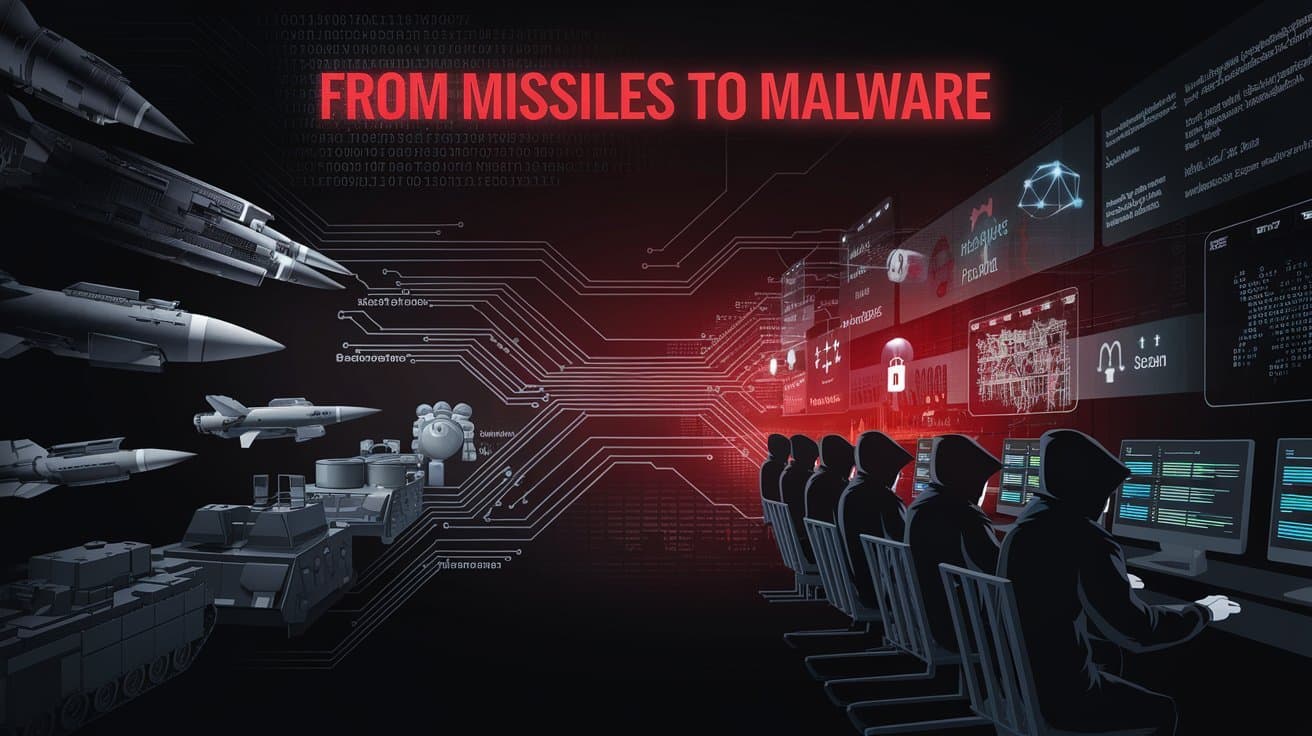
The New Battlefield of Cybersecurity has shifted. In today's increasingly networked world, the danger to national security is no longer tanks and missiles—it's ransomware, malware, and cyber-spying. As tensions rise in geopolitics, the cyberworld is emerging as a new warfront upon which cyberattacks can bring down critical infrastructure, pilfer sensitive data, and influence political elections.
The Rise of Cyber Warfare
Modern-day war has moved from the physical to the virtual arena. Cyber warfare has now become the battleground of war between nations. Russia's purported hacks of Ukraine's power grid and China's cyber-spying operations highlight how digital technologies are used to incapacitate enemies without ever having to fire a single bullet.
Key Example: The Stuxnet worm, an American-Israeli creation, crippled Iran's nuclear program—showing cyber weapons have real-world effects.
How Malware Becomes a Weapon
Malware, including ransomware, spyware, and trojans, is no longer just about stealing data—it's used to destroy, sabotage, and manipulate.
Ransomware Attacks: They are employed to hold hostage hospitals, governments, and banks. The 2021 Colonial Pipeline attack led to fuel shortages on the U.S. East Coast.
Spyware & Keyloggers: Used for stealing defense information and spying on political figures.
Botnets: Huge collections of compromised machines that carry out DDoS attacks to shut down vital infrastructure.

Targeted Sectors: Where Cyber Missiles Hit
1. Healthcare
Hospitals are high-value targets because of old systems and sensitive information. During COVID-19, cyberattacks increased on healthcare providers, causing treatments to be delayed and lives to be at risk.
2. Financial Sector
Banks, fintech, and stock exchanges are under threat every day. Cybercriminals hack money flow systems like SWIFT.
3. Critical Infrastructure
Power stations, water plants, and transportation systems are more connected and vulnerable. An attack on one of them can paralyze a nation.
4. Government & Defense Agencies
Hackers aim to compromise sensitive data or destabilize political institutions. The SolarWinds hack in 2020 had compromised U.S. federal networks.
How Orasec Assists in the Cyber Battlefield
Orasec provides next-generation and automated red teaming solutions that simulate actual cyber attacks. Their Continuous Automated Red Teaming (CART) functions help organizations to:
- Find vulnerabilities before the attackers
- Model advanced attack scenarios
- Adhere to industry security standards
- Enhance incident response and detection capacities
The Cyber Arms Race: Who's Winning?
Countries are spending a lot on cyber capabilities. The United States Cyber Command, China's Unit 61398 PLA, and Russia's GRU are all top-notch cyberwarfare units.
But cyberwar is not only a matter of superpowers. Non-state players like hacktivists and syndicates of cybercriminals make up the melee, bankrolled and abetted by politics.
Future Threats: AI, IoT, and Quantum Computing
And as technology improves, so does the threat.
- AI-driven malware is capable of learning and adapting to bypass defenses.
- These vulnerabilities can be used to hack into smart homes and factories.
- Quantum computers can potentially crack modern encryption in the future, making existing countermeasures outdated.
How to Defend in This New Age
Adopt Proactive Cybersecurity Strategies
Organizations must move beyond firewalls and antivirus software:
- Implement CART (Continuous Automated Red Teaming)
- Conduct regular penetration testing
- Embrace Zero Trust Architecture
Train and Educate Teams
Human error is the biggest vulnerability. Invest in:
- Security awareness training
- Phishing simulations
- Crisis response exercises
Conclusion: Adapting to the New Reality
The Cybersecurity Battlefield Evolution demands new mindsets and capabilities. Organizations must recognize digital threats as existential challenges. Furthermore, they must invest accordingly in both technology and expertise.
Don't wait for an attack to improve your defenses. Start by assessing your current security posture. Then develop a comprehensive strategy that acknowledges cyberspace as the primary battleground of modern conflict.
Ready to fortify your position in the new battlefield? Contact security experts who understand both traditional and emerging threats to protect your critical assets before they become targets.
FAQs
1. What is cyberwarfare?
Cyberwarfare refers to the use of digital attacks by nations or groups to damage or disrupt other nations' systems.
2. Why is cybersecurity so important in today's wars?
Cybersecurity helps protect infrastructure, national security, as well as critical data from attacks of the modern age.
3. What is CART, and what does it do?
CART, which stands for Continuous Automated Red Teaming, is a simulation of attacks that helps find vulnerabilities before hackers are able to exploit the weaknesses.
4. Could malware be used as an instrument of attack?
Yes. Malware can cause disruption to services, steal secrets, and even manipulate economies. This makes it a potent weapon of modern combat.