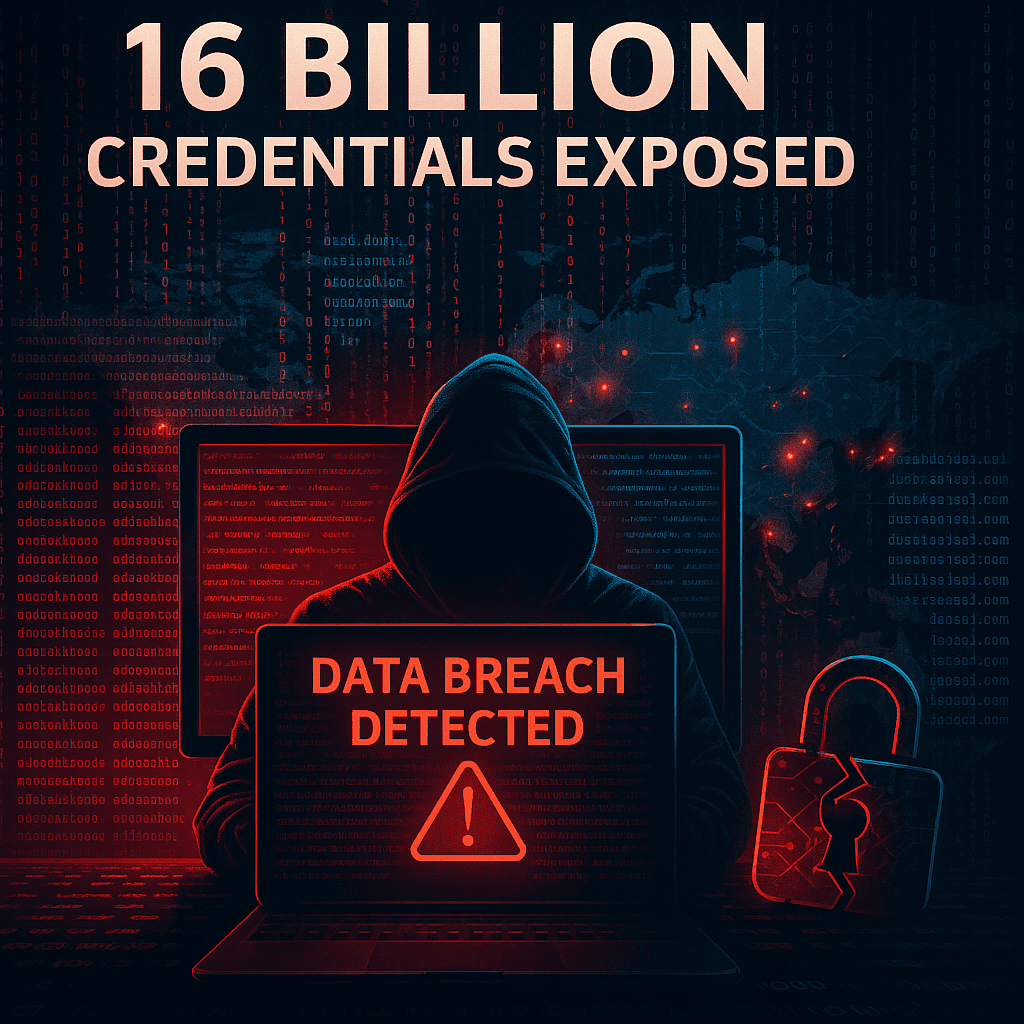
In an unprecedented cybersecurity catastrophe, the world's largest password leak has exposed an astounding 16 billion login credentials, affecting millions of users across major platforms including Apple, Google, Facebook, and countless other services. This massive password leak represents a critical threat to global digital security and demands immediate action from every internet user. First reported by Cybernews and Forbes, the breach is being treated as a major cybersecurity emergency with global implications.
Understanding the Scope of This Password Compromise
The magnitude of this password breach is enormous. To put its size into perspective, with an estimated 8 billion humans alive on the planet, this breach has two credentials for almost every living human. Furthermore, this collection contains information from many previous breaches, and having been confirmed by cybersecurity experts, it is the largest password breach on record.
The revealed database contains:
- Login information of the giant tech companies
- Banking and financial services passwords
- Social media account information
- Email service credentials
- VPN and security services login
- GitHub and developer platform access
How This Password Leak Happened
According to cybersecurity experts, this password attack is not due to a single incident but a series of information compromised in various ways over a period. The credentials were gathered through:
Infostealer Malware: Malware employed to steal login data from affected computers has been an enormous force behind this leak of passwords. These types of programs quietly collect stored passwords from applications and browsers.
Prior Security Breaches: Many of the credentials in this password leak are from previous security breaches at other firms that never were fixed or reported.
Credential Stuffing Attacks: Cyber attackers utilize bot software to attempt stolen username-password combinations on other sites, contributing to the increasing number of hacked accounts.
Dark Web Marketplaces: The dark web forums are actively selling the stolen aggregated data from this password breach to worldwide malicious actors.
Immediate Steps to Protect Yourself
With the gravity of this password compromise, action must be taken immediately. This is what you need to do immediately:
Change Your Passwords Immediately: There is no reason to wait to alter your login passwords, especially on critical accounts like bank, email, and social media platforms affected by this password hack.
Enable Two-Factor Authentication: Add layer of security to your accounts. While your password has been stolen in this breach, 2FA can stop unwanted access.
Use a Password Manager: Tools like Bitwarden, LastPass, or 1Password can generate strong, random passwords for all accounts and protect you from future password hacks.
Monitor Your Accounts: Monitor your account activity and financial statements for patterns of suspicious behavior that may indicate your information was accessed with the use of this password breach.

How OraSec Can Help Protect Against Password Leaks
In the wake of this massive password leak, professional cybersecurity firms like OraSec become invaluable partners in protecting your organization from credential-based attacks. OraSec specializes in comprehensive security solutions specifically designed to prevent and respond to incidents like this password leak.
OraSec's Breach Response Services:
- Immediate Threat Assessment: OraSec can quickly determine if your organization's credentials were compromised in this password leak through advanced dark web monitoring and threat intelligence.
- Credential Monitoring: Continuous surveillance of underground forums and marketplaces where stolen passwords from this leak are being traded.
- Incident Response: Rapid deployment of security experts to contain and mitigate damage when your organization is affected by password leaks.
Long-Term Impacts on Cybersecurity
This password vulnerability is not a temporary deviation; it is a precursor to a full-scale change in how we have to respond to online security. The vulnerability heralds a chain of significant problems:
Scale of Modern Threats: The reality that cybercriminals can collect and release 16 billion credentials is a demonstration of the sophisticated scale of modern threats.
Interconnected Vulnerabilities: This password hack demonstrates how security weaknesses in a single system can have a ripple effect across the entire digital world.
Proactive Security Requirement: Organizations are no longer able to rely solely on reactive security; they must have integrated, proactive defense in place.
Industry Response and Future Prevention
The cyber security industry is countering this password violation with increased vigilance and stronger protection. Prevention, though, requires a concerted effort by:
Technology companies are implementing stronger security measures
Governments implementing tighter data protection legislation
Users who implement improved security measures
Cybersecurity firms providing advanced protection services
In addition, this event highlights the need to enter into a contract with credible security providers that can provide real-time threat detection and response.
What This Means for Businesses
For businesses, this password leak serves as a stark reminder of the importance of robust cybersecurity measures. Companies must:
To companies, this password breach is a call to action on the importance of having good cybersecurity measures. Companies should:
Implement Zero-Trust Architecture: Assume credentials may be compromised and verify all access requests, regardless of source.
Regular Security Audits: Conduct regular audits to find the vulnerabilities before they are exploited in incidents like this password breach.
Staff Training: Educate staff on how to detect and thwart security breaches, as human error is the most prevalent reason for successful cyberattacks.
Incident Response Planning: Develop comprehensive response plans for security incidents, such as password leak scenarios
Conclusion
The largest dump of 16 billion credentials in the world is a watershed moment in cybersecurity. The record leak affects virtually all users of the internet and requires action on the part of organizations, companies, and individuals worldwide. By changing passwords immediately, turning on two-factor authentication, and working with trusted security partners like OraSec, we can limit the damage of this monolithic password breach.
Cybersecurity is not a single act but a continuous process to secure our online presence. Act now to secure your accounts and protect yourself from the ongoing threat of this record password breach.
FAQ Section
Q1: What is the password leak, and how many accounts are affected?
The password leak is a compilation of 16 billion stolen credentials from various breaches, affecting accounts from major platforms like Apple, Google, Facebook, and many others. This represents roughly two accounts for every person on Earth.
Q2: Is this password leak from a single data breach?
No, this password leak is a compilation of credentials gathered from multiple sources over time, including previous data breaches, infostealer malware, and credential stuffing attacks.
Q3: How do I know if my password was included in this leak?
A3: You should assume your credentials may be compromised and immediately change passwords for all important accounts, especially those for banking, email, and social media platforms.