Red Teaming for Threat Exposure Management: The Foundation of Modern Security
In the modern threat environment, organizations need to review their security posture continuously. Red Teaming for Threat Exposure Management has become an essential methodology to detect vulnerabilities before they can be exploited by hostile actors. Computer-Assisted Red Teaming (CART) is also changing the way security teams tackle this problem.


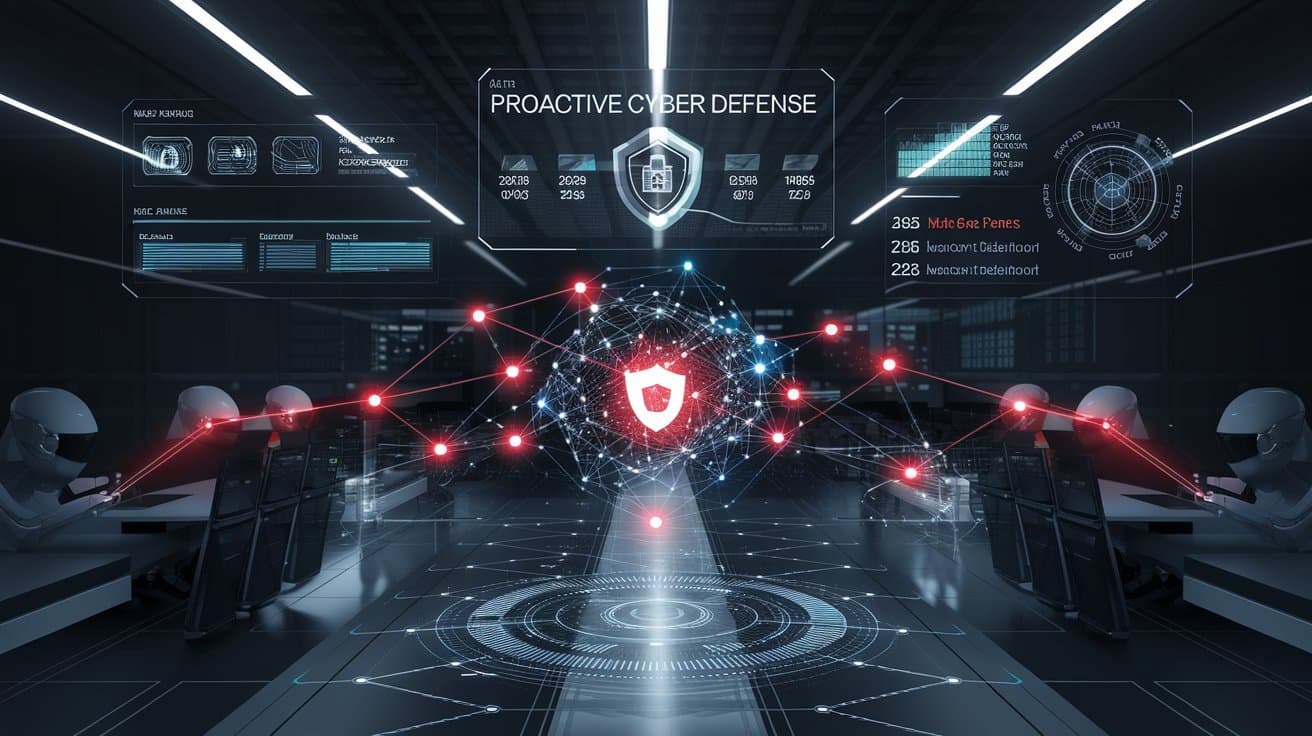
Proactive defense through Red Teaming for Threat Exposure Management enables organizations to stay ahead of evolving threats.
Proactive defense through Red Teaming for Threat Exposure Management enables organizations to stay ahead of evolving threats.
What Is CART, and How Does It Enhance CTEM?
Computer-Assisted Red Teaming (CART) is the combination of new technologies with conventional red teaming practices. To begin with, CART significantly enhances the efficiency of threat exposure management programs. Moreover, it offers consistent, repeatable results that manual testing cannot provide.
CART leverages:
- Automated scanning tools
- AI-driven attack simulations
- Continuous validation techniques
- Comprehensive reporting capabilities
These capabilities enable security teams to identify vulnerabilities across their entire attack surface. Therefore, organizations can prioritize remediation efforts based on real-world risk.
CART as a Critical Component in Modern CTEM Frameworks
Red Teaming for Threat Exposure Management is not just an add-on to security programs—it's a fundamental part of contemporary CTEM models. Additionally, CART is the technology foundation that allows organizations to apply the five major phases of CTEM:
1. Scoping and Discovery
CART solutions provide automated asset discovery and prioritization, giving them full visibility into the growing digital footprint. Next, their security teams can properly scope threat exposure assessments without leaving behind such valuable assets.
2. Validation and Testing
In CTEM models, CART offers continuous and automated testing that confirms the presence of vulnerabilities. CART is also able to mimic intricate attack chains that show how several weak vulnerabilities can mesh together to form significant security breaches.
3. Mobilization of Resources
By providing rich, ranked outputs, CART enables security leaders to make sound decisions regarding limited resource allocation. Furthermore, the data-informed outputs facilitate sound communication with executive leadership on security investment and priorities required.
4. Remediation Verification
After remediation measures are executed, CART technology will automatically confirm that vulnerabilities were properly addressed. This confirmation step, usually not addressed in standard security software, is part of current CTEM systems as an essential control point.
5. Ongoing Assessment
Most importantly, perhaps, CART enables the "continuous" aspect of CTEM by making continuous assessment capability possible. Therefore, organizations gain continuous visibility into their security posture rather than getting it from occasional point-in-time assessments.
The Evolution from Traditional Red Teaming to CART
Traditional red teaming exercises, while valuable, often suffered from several limitations:
Limitations of Traditional Approaches
Traditional red teaming exercises were typically:
- Resource-intensive
- Conducted infrequently
- Limited in scope
- Dependent on individual expertise
In contrast, Red Teaming for Threat Exposure Management through CART offers a more dynamic approach. Moreover, it enables continuous rather than point-in-time assessment.
How CART Operationalizes CTEM
Continuous Threat Exposure Management demands ongoing vigilance. CART supports this requirement through:
Automated Discovery
CART systems continuously scan and map the attack surface, learning about new assets and possible points of entry as they happen. This automation guarantees that all assets are tested, no matter how quickly the environment evolves.
Simulated Attacks
Through sophisticated simulation capabilities, CART can simulate the TTPs utilized by the threat actors. In turn, security teams can learn about how attackers might attack their environments.
Validation and Verification
After remediation processes are initiated, CART confirms that threats have been addressed effectively. For this purpose, it also verifies that new security controls function as designed without introducing additional risk.
Implementing Red Teaming for Threat Exposure Management
Organizations seeking to enhance their security posture should consider these implementation steps:

- Assess current security capabilities and gaps
- Define clear objectives for your CTEM program
- Select appropriate CART technologies
- Integrate findings into your vulnerability management workflow
- Establish metrics to measure program effectiveness
Subsequently, regular reviews and program adjustments will ensure continuous improvement.
How Orasec's Services Strengthen Your Defense Against Attackers
Orasec provides advanced expert services that greatly upgrade your Red Teaming Threat Exposure Management. Through their comprehensiveness, companies deter attackers by:
Advanced Threat Intelligence
Orasec threat intelligence solutions give you real-time visibility into new threats targeting your industry. Your security team can therefore get ahead of the attackers to protect against vulnerabilities before they are exploited.
Customized CART Implementation
Instead of generic tools, Orasec customizes CART solutions to fit your environment. In addition, their specialists configure systems to identify industry-specific attack patterns and techniques frequently employed against organizations like yours.
Expert-Led Red Team Exercises
Orasec combines human experience and automated testing. Their seasoned security professionals have many years of experience in simulating sophisticated attacks that automated tools can miss. Thus, you have the advantage of both technical effectiveness and creative thought.
Continuous Monitoring and Response
Apart from identification, Orasec also offers real-time monitoring services that alert you to suspicious traffic. Furthermore, their quick response systems guarantee that possible breaches are contained before they cause significant damage.
Advantages Over Security
While Red Teaming for Threat Exposure Management is primarily about security improvement, organizations also experience:
- Reduced security breaches
- Reduced remediation costs
- Enhanced compliance stance
- Enhanced security personnel capability
- Improved business resilience
Conclusion
The Future of Threat Exposure Management As threats evolve, Red Teaming for Threat Exposure Management will remain a requirement for organizations that want to protect their valuable assets. With CART capabilities, security teams will be able to stay ahead of the bad guys with ongoing analysis and refinement. Ready to refresh your security program? Begin implementing CART methodologies today to improve your threat exposure management skills and protect your organization from emerging threats.
FAQ Section
What is the difference between traditional red teaming and CART?
Traditional red teaming relies primarily on manual testing by security professionals, while CART incorporates automated tools, AI, and continuous testing methodologies to enhance scale, consistency, and coverage.
How frequently should organizations conduct threat exposure management exercises?
With CART, organizations can shift from periodic assessments to continuous monitoring and testing, allowing for ongoing validation rather than point-in-time exercises.
How does CART integrate with existing security tools and processes?
CART solutions typically offer APIs and integration capabilities that allow them to connect with vulnerability management systems, SIEM platforms, and ticketing systems for seamless workflow integration.
What metrics should be used to measure the effectiveness of a CART program?
Key metrics include mean time to detect (MTTD), mean time to remediate (MTTR), vulnerability density, coverage percentage of the attack surface, and reduction in security incidents over time.