Introduction
Stolen login credentials today rank among the most valuable assets on the dark web.
Billions of sets of usernames and passwords are traded on underground markets every year. Once credentials leak-through malware, phishing, or third-party breaches-attackers waste no time in either using or selling them.
Healthcare organizations are especially vulnerable. Abusing credentials is the number one way attackers break into healthcare systems, and the damage is often severe. A single breach can cost millions, disrupt patient care, and permanently damage trust.
The following case study describes how one healthcare organization avoided a major incident when it found admin credentials that had been stolen on the dark web before attackers could use them.
Background: A High-Value Target
This is a mid-sized healthcare provider organization that must process several thousands of patient records. Similar to many healthcare providers, they have a very small IT team but handle highly sensitive data.
Health care data is valuable. Criminals know this. One compromised admin account can give attackers full access to systems, patient records, and internal tools.
Due to this risk, the organization invested in a threat intelligence monitoring service called Signal. Its job was to monitor the dark web, breach dumps, and underground forums for any signs that the company's credentials had leaked.
That decision proved critical.
Discovery on the Dark Web
One day, Signal raised an urgent alert.
Admin-level credentials appeared on a dark web source; these were connected with the organization's internal admin panel. The valid username and password combination was being circulated by threat actors.
This kind of activity usually means one thing: someone already stole access and is preparing to sell it or use it.
These are often credentials stolen by infostealer malware running on an employee's system or gained through a third-party breach. However it is sourced, the result is the same: attackers now have keys to the system.
This would have gone unnoticed without monitoring.
Instead, the security team was notified immediately.
Immediate Response
The situation was treated by the organization as a live threat.
Credential rotation
First and foremost, this was a simple and swift process: the exposed admin password was reset immediately. All related or reused credentials were rotated.
The active sessions were terminated, and the login logs were reviewed. No evidence existed that showed the credentials had already been used.
That quick reset alone shut the door on attackers.
Locking Down the Admin Panel
Then the organization took a further step in defense.
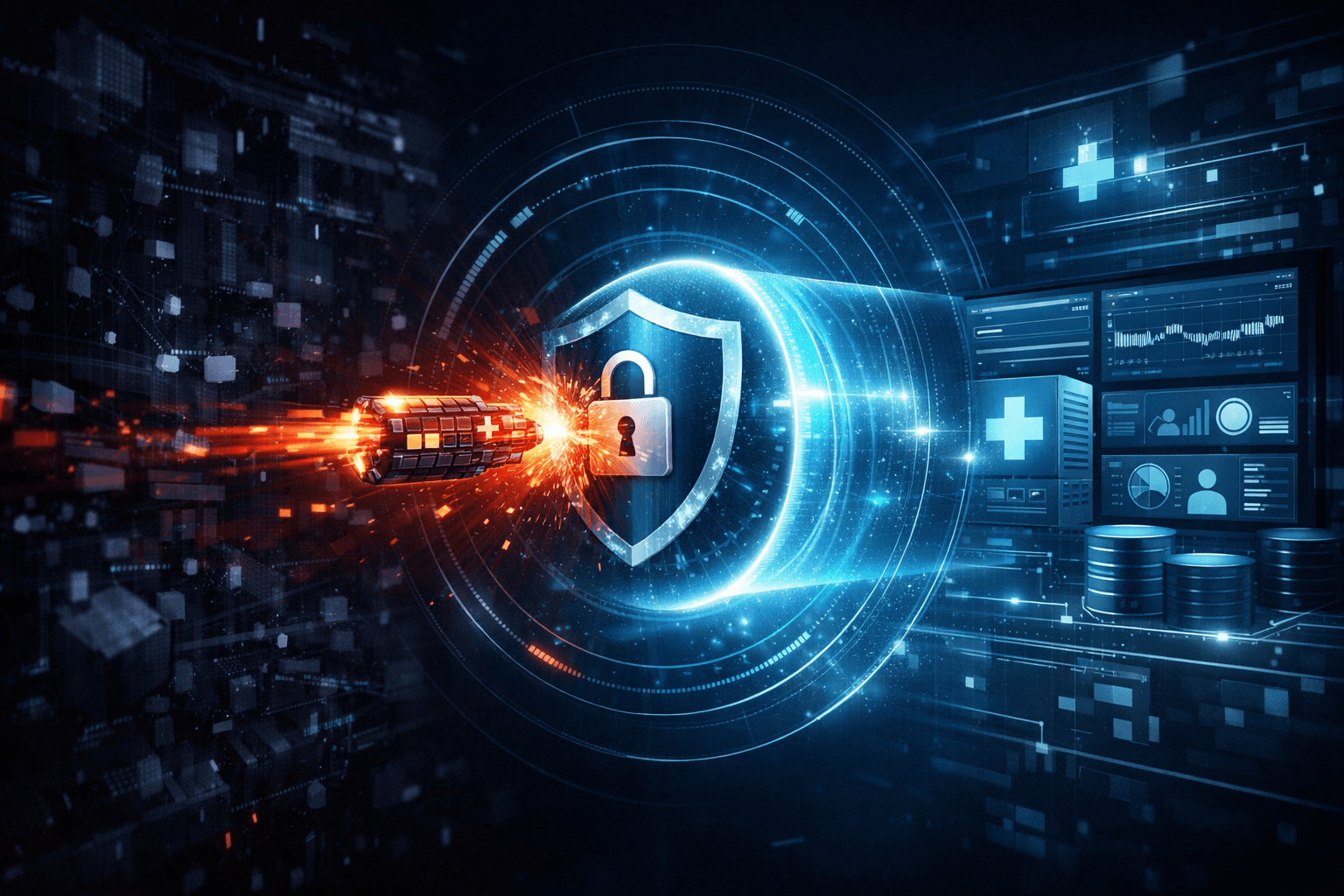
The admin panel previously reachable over the internet was moved behind a VPN. From that point on, even valid credentials would not work unless the user was connected to the internal network already.
This dramatically reduced the attack surface: external attackers could no longer even see the admin login page.
Additional Hardening
The IT team also:
• Reviewed all privileged accounts.
• Enforced strong, unique passwords
• Accelerated deployment of multi-factor authentication
• Reminded staff of phishing risks
Because no data had been accessed, there was no breach notification required. A serious incident was avoided altogether.
What could have happened?
The result could have been disastrous if these credentials had gone unnoticed.
The compromised admin panel controlled core systems. With that access, an attacker could have:
• Viewed or stolen patient records
• Deployed ransomware
• Created hidden backdoor accounts
• disabled security controls
• Moved deeper into the network, going unnoticed
Healthcare attacks tend to be quiet initially, slowly escalating. Of particular danger are stolen credentials because they don't raise any alarms: everything looks like normal admin activity.
This could have had a serious financial and operational impact. Healthcare data breaches are the most costly of any sector, and in some cases, patient safety is directly compromised.
This organization narrowly avoided becoming another headline.
Outcome and Lessons Learned
Because the credentials were detected early, no damage occurred. No systems were accessed, and no data was lost.
Several key lessons came out of this incident:
Dark Web Monitoring Works
Credential leaks will happen. It is whether you find out that matters. Continuous monitoring provided an early warning rather than a post-breach investigation for the organization.
Speed matters
Immediate action stopped the threat cold; delays would have given attackers the chance to act.
Privileged Access Must Be Shielded
Admin panels should never be exposed openly to the internet. VPNs, internal access controls, and MFA make stolen credentials far less useful.
Defense in Depth Saves You
Passwords are not sufficient. If one control fails, another needs to stop the attacker.
Healthcare must be proactive
Health care organizations remain prime targets. Proactive security measures protect not only systems but also patient safety and trust.
Conclusion
This healthcare organization made a potential disaster into a success story.
They detected stolen admin credentials on the dark web and acted immediately to stop the attackers before their first login attempt.
In a world where billions of credentials are already compromised, prevention isn't about perfection; it's all about visibility and speed. The key to stopping attacks before they start is to see the threats early and respond fast. And in health care, that can make all the difference.